
Best vacuum for hard floors 2026, top picks and comparison
The differences between entry-level and high-end models deserve a closer look. For a vacuum cleaner for hard floors, focus on the brush head, its maintenance and the limitations of the design, without assuming that a higher-end model will protect your flooring better.
Answer a few questions in 10 seconds4 questions about the 4 models in this selection

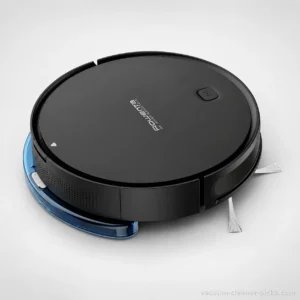
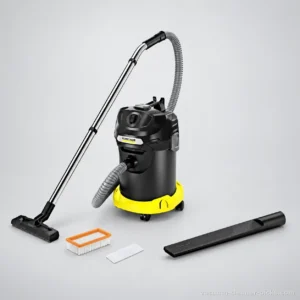

Prices collected from retailers are for guidance only: they may have changed since, the current price is the one shown by the retailer. No price is shown for models sold only on Amazon. Amounts converted from reference prices in euros using a dated exchange rate.
Our selection criteria
- 4 models selected because they have the feature “For hard floors” according to data published by manufacturers and retailers.
- See how we rate →
- No brand pays to be included in this selection or to rank higher.
Why choose a vacuum cleaner for hard floors that suits your flooring?
Why the best vacuum cleaner depends on your flooring
The best vacuum cleaner for hard floors is one with a brush that protects your flooring and picks up the dirt in your home. Start with your flooring, the debris you need to remove and your home's constraints. The stated power alone is not enough to distinguish between models.
On tiles, you will want to remove crumbs and dust trapped in the grout. On wood or laminate flooring, surface protection becomes a decisive factor. If you have pets, pet hair and human hair also make it important to consider how the brush is cleaned.
The type of vacuum should also suit your daily routine. A stick vacuum cleaner may suit frequent cleaning in living areas. A cylinder vacuum is worth considering for longer cleaning sessions, depending on its power supply and bulk. Our approach involves analysing documented specifications and comparing them with aggregated feedback where available.
Why powerful suction is not enough
Electrical power indicates energy consumption, rather than directly measuring pickup performance. A single figure therefore cannot tell you whether a vacuum effectively collects fine dust, crumbs and larger debris.
The design of the cleaning head also matters. A brush should allow dirt through without pushing it ahead. Its suitability for the flooring, its ability to reach edges and how easily the suction passage can be cleaned deserve as much attention as any claim of power.
- For fine dust, examine the information on pickup and filtration.
- For crumbs, look for documented information on how debris passes through the cleaning head.
- For human and pet hair, check how the brush can be cleaned.
Finally, avoid directly comparing figures expressed in different units. They do not necessarily describe the same thing or the same measurement conditions.
Why protecting wood flooring changes your choice
A vacuum cleaner for wood flooring should, above all, have an attachment stated to be compatible with that flooring. The term “hard floors” needs clarification, as tiles, wood and laminate do not always require the same precautions.
The cleanliness of the brush and wheels is essential. A trapped piece of grit can be dragged across the surface. Before cleaning, remove visible debris that could scratch the floor and check the condition of the parts that come into contact with it.
For a delicate surface, also examine the instructions on brush rotation and whether it can be switched off. The flooring manufacturer's recommendations remain your guide when choosing a compatible attachment and cleaning method.
When washing genuinely complements vacuuming
Vacuuming removes dry dirt. Washing addresses a different need: marks and stuck-on residue. A vacuum mop can therefore be useful in a kitchen or entrance hall, provided the floor is suitable for wet cleaning.
However, this function requires additional maintenance. Check the steps needed to clean wet components, empty the tanks and let the relevant parts dry. Never assume that wood or laminate flooring is compatible with water.
To browse the selection on this page, start with your flooring and the dirt you encounter most often. Then compare the brushes, vacuum type and maintenance required. This will help you prioritise models whose documented specifications meet your needs.
How to choose your vacuum cleaner for hard floors
The best vacuum cleaner for hard floors is one whose brush is suitable for your flooring, picks up everyday debris and is easy to maintain. To choose, start with your flooring and your home's requirements. Advertised power alone is not enough to distinguish between models.
Which brush should you choose for your flooring
For parquet or laminate flooring, look for a brush explicitly listed as compatible with your floor. Check the “hard floors” designation in the manual, especially if the flooring manufacturer specifies particular precautions.
If the head has a rotating brush, check whether its rotation can be switched off and under what conditions it is suitable for delicate surfaces. Also check access to the roller and wheels to remove trapped hair and debris. A suitable brush needs to stay clean to reduce the risk of scratches.
For tiled floors, also check how to clean the head after picking up crumbs or small stones. Do not choose solely on the apparent softness of the parts that touch the floor.
Which type suits your home
A stick vacuum cleaner may suit frequent cleaning if you can easily find space to store and charge it. A cylinder vacuum cleaner deserves closer consideration if you want to clean several rooms without relying on a battery. Compare the practical requirements of each appliance.
| Type | What it can help with | What to check |
|---|---|---|
| Stick | Frequent spot cleaning | Weight, battery life and storage space |
| Cylinder | Extended cleaning across several rooms | Cable length, bulk and carrying it on stairs |
| Robot | Regular cleaning of accessible surfaces | Obstacles, thresholds and inaccessible areas |
| Vacuum mop | Cleaning that includes removing stuck-on marks | Floor compatibility and cleaning after each session |
If you have stairs, plan how to carry the appliance and clean the steps. If your home has rugs, check which attachments you need. A robot vacuum cleaner can help with routine cleaning, but you will need another way to clean areas it cannot reach.
How to assess dust and debris pickup
Identify your needs before comparing marketing claims. Fine dust, crumbs and hair present different challenges. For each appliance you are considering, look for documented information on how well it picks up the debris you typically encounter.
Prioritise detailed descriptions of cleaning along skirting boards, in joints and when dealing with large debris. The phrase “powerful suction” alone tells you nothing about these situations.
Do not directly compare different units. Electrical power consumption is not a measure of debris pickup. If results are quoted, check the floor covering, the head used and the mode selected before drawing a conclusion.
What battery life and manoeuvrability should you expect
For a battery-powered appliance, check which mode the stated runtime refers to and which attachment was used for the measurement. A maximum runtime does not guarantee that you can clean your entire home with the configuration you need.
Your choice should also account for interruptions. A container that needs emptying during cleaning, an inconvenient recharge or a cable that needs moving regularly can matter more than theoretical runtime.
Check the weight in the configuration used for floor cleaning. Then check the head dimensions for access under furniture, storage options and how the appliance stands when parked. These points are particularly important if you need to carry it between floors.
Which filters and maintenance requirements should you prioritise
Examine the documented filtration, as well as the path dust takes through to emptying. The presence of a filter does not prove that the entire system is sealed. If you are sensitive to dust, look for specific information on these aspects.
For a bagged model, check bag availability and replacement procedures. For a bagless model, look at how the bin opens and how it is cleaned. In both 2 cases, consult the filter maintenance instructions and any required drying time.
Before buying, identify the references for consumables and wear parts. A removable brush and readily available replacement parts make maintenance easier to plan.
What budget should you plan without paying for unnecessary features
At entry level, focus your comparison on brush compatibility, format and maintenance. In the mid-range, consider whether extra attachments or settings address a specific requirement in your home.
At the premium end, require clearly documented usefulness for each feature influencing your choice. A station or mopping function deserves your attention only if it simplifies your routine.
A vacuum mop requires you to check, in particular, whether the floor covering is compatible with wet cleaning and what the drying instructions are. Also factor in consumables, their replacement and cleaning the components after use.
Mistakes to avoid
- Choosing based solely on the stated power.
- Assuming that all brushes are suitable for parquet flooring.
- Relying on the maximum runtime without checking how it was measured.
- Forgetting stairs, rugs and spaces under furniture.
- Buying a mopping function without checking the flooring manufacturer's recommendations.
- Overlooking the availability of bags, filters and wear parts.
Key points to remember
Choose between appliances based on the brush, debris pickup and maintenance. Then choose a format that suits your home. Additional features are worthwhile when they meet a specific need and their limitations remain acceptable.
Which vacuum cleaner suits your floors and your daily routine?
What type of vacuum cleaner should you choose for hard floors?
The best vacuum cleaner for hard floors has a brush suited to the flooring and a design that fits your home. A stick vacuum may suit frequent cleaning, while a cylinder vacuum may meet the needs of longer cleaning sessions. Focus on compatibility with your surfaces, floor head maintenance and storage requirements. The design alone does not guarantee effective pickup of crumbs, fine dust or hair.
Which vacuum cleaner brush should you use on parquet flooring?
For parquet flooring, choose a brush explicitly compatible with your flooring and follow the floor manufacturer's recommendations. A brush labelled for parquet should come with details of suitable surfaces and required maintenance. Also check whether brush rotation can be switched off when the flooring requires it. Before each clean, check the parts that touch the floor and remove any trapped debris that could leave marks.
Can a vacuum cleaner scratch parquet or laminate flooring?
Yes, a vacuum cleaner can scratch parquet or laminate flooring if abrasive debris becomes trapped under the head or an unsuitable attachment is used. Keeping the brush and wheels clean therefore matters just as much as their stated compatibility. Remove small stones before you start and regularly inspect the areas that touch the floor. If the head catches or makes an unusual noise, stop cleaning to identify the cause.
How much vacuum cleaner power do you need for tiles?
There is no universal electrical power threshold that guarantees effective cleaning on tiles. Power consumption in watts alone cannot predict how well a vacuum will pick up dust, crumbs or debris lodged in grout lines. Instead, examine the head design and documented information about its effectiveness. Avoid directly comparing values expressed in different units or measured under unspecified conditions.
Should you choose a bagged or bagless vacuum cleaner for hard floors?
Both bagged and bagless designs can suit hard floors; the choice mainly depends on your preferences for emptying and maintenance. With a bagged model, check the availability of replacement bags and how they seal. With a bagless model, examine the steps needed to empty and clean the dust container. If you are sensitive to dust, filtration and how well the whole system is sealed deserve as much attention as the collection method.
Is a vacuum mop suitable for all hard floors?
No, a vacuum mop is not automatically suitable for all hard floors. Compatibility depends on the flooring, its finish and its manufacturer's recommendations regarding moisture. Parquet or laminate flooring should therefore not be assumed to be suitable for wet cleaning. Also check the appliance's restrictions and permitted cleaning products. Mopping tackles stuck-on marks but adds the need to clean wet components and allow them to dry.
Which vacuum cleaner should you choose for pet hair on tiles?
For pet hair on tiles, choose a head that is compatible with hard floors and makes accumulated hair easy to remove. Examine documented information about pickup along skirting boards, as well as access to the parts that need cleaning. Dust container capacity and emptying procedures also matter if you clean frequently. A pet-focused marketing claim is not enough to establish effectiveness on your floor.
Can a robot vacuum cleaner be enough to maintain hard floors?
A robot can handle some routine hard floor cleaning, but whether it is enough depends on your home's layout. Stairs, obstacles and areas that are difficult to reach may require an additional appliance. Check compatibility with your flooring and the available information about edge cleaning. Automated cleaning still requires maintenance: the dust container, wheels and brushes must be kept clean to limit debris buildup.