
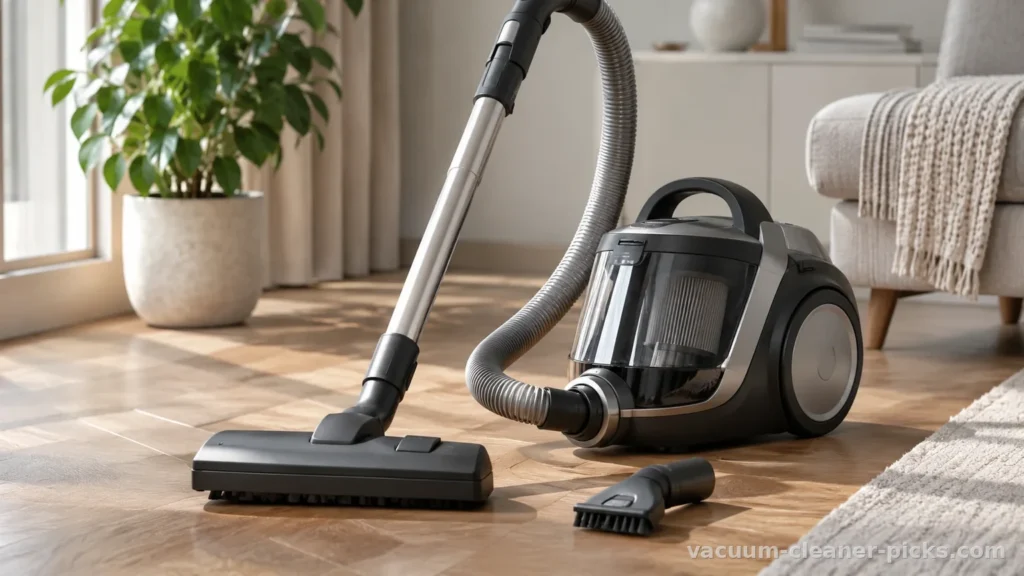
To use a vacuum cleaner on a delicate wood floor, confirm that the floor, appliance and attachment are compatible, then follow the settings recommended by their manufacturers. A “for wood floors” label is not enough to confirm suitability for your situation. Before you begin, find the flooring care instructions and your vacuum cleaner’s manual.
Contents
- Identify your wood flooring before choosing a cleaning method
- Check the floor, vacuum cleaner and attachment together
- Make your enquiry clear and easy to understand
- Do not choose a brush by its name alone
- Choose the setting without relying solely on wattage
- Ask the right questions for your type of vacuum cleaner
- With a stick or cylinder vacuum cleaner
- With a robot vacuum cleaner
- With an appliance that includes a mopping function
- Prepare for vacuuming according to the relevant instructions
- What should you do if you notice a mark after cleaning?
- Compare the documentation before the marketing claims
- Frequently asked questions about vacuum cleaners and delicate wood floors
- Can you vacuum an old wood floor?
- Is a dedicated wood floor brush enough?
- Should you switch off the rotating brush?
- Can a robot vacuum cleaner clean a delicate wood floor?
- How can you avoid scratches when using a vacuum cleaner?
- Can you follow advice intended for a different wood floor?
Choosing a brush, setting the suction and using cleaning functions raise different questions. Here is how to assess them without assuming that an attachment guarantees protection or that an appliance’s stated power confirms its compatibility.
Identify your wood flooring before choosing a cleaning method
If your wood flooring is old, newly laid or has an unknown finish, the first step is to find the right information. The term “delicate wood floor” describes your concern, but does not establish which vacuum cleaner to use. The appearance of the wood alone is not enough to choose a cleaning method either.
Gather the documents relating to the flooring and its care. If you rent, ask your landlord for any available product details. If work has been carried out, the company involved may be able to help identify the products used and find the relevant recommendations.
- Look for the flooring’s product reference and installation documents.
- Find any available information about its finish without guessing.
- Consult the care recommendations for the flooring.
- Note the questions these documents leave unanswered.
The terms “sealed”, “oiled”, “waxed” or “laminate” may come up in your searches. Do not treat them as interchangeable categories. Use the exact wording from your documents when asking for advice, without identifying your floor’s finish or composition yourself.
Check the floor, vacuum cleaner and attachment together
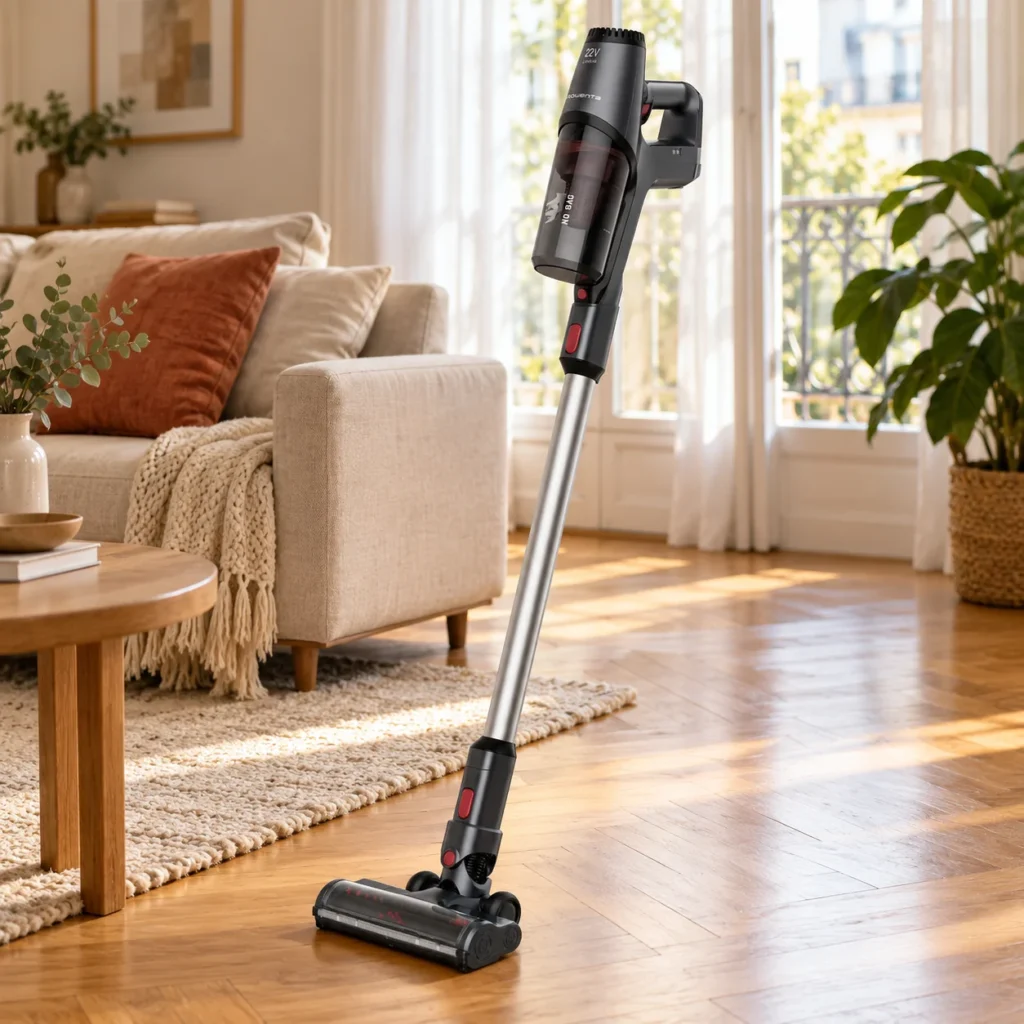
Compatibility must apply to your specific combination. A recommendation for a different wood floor, brush or appliance model does not necessarily answer your question. Consult the floor manufacturer’s instructions and those of the vacuum cleaner manufacturer.
The absence of an explicit prohibition does not confirm compatibility. If the documents remain general or seem to contradict each other, ask for clarification before choosing this method. Include the relevant model and product references to get an answer that applies to your equipment.
Make your enquiry easy to understand
A precise question helps the person advising you understand what you need. You could write “My flooring has this product reference and my vacuum cleaner uses this attachment. Is this combination suitable, and what instructions should I follow?” Add any known information about the finish.
Also ask whether the answer covers all the functions you intend to use. Vacuuming and using a floor-washing function are separate enquiries. Do not assume that confirmation for vacuuming automatically permits another cleaning method.
Do not choose a brush by its name alone
Labels such as “parquet”, “hard floors”, “soft brush” or “multisurface” can guide your search. They do not replace confirmation for your flooring and appliance. An attachment’s marketing name alone cannot guarantee its suitability for your floor.
The presence of bristles, a roller or a fabric section is not enough to draw a conclusion either. For both motorised brushes and non-motorised attachments, look for instructions matching the exact model reference. Do not assume the cleaning head protects wood flooring based on its appearance.
- Identify the exact attachment included or sold separately.
- Check its compatibility with your vacuum cleaner with the manufacturer.
- Ask for confirmation for the flooring concerned.
- Follow the applicable instructions for its settings and maintenance.
When comparing options, a list of clearly identifiable attachments is more useful than a collection of names. Check that you can find the manual for the brush you are considering. If you buy a replacement attachment, repeat these checks for its specific model reference.
Choose the setting without relying on watts alone
There is no universal power setting for all delicate wood floors. Follow the guidance for your floor, appliance and attachment. Do not assume that a low setting makes a combination compatible, or that a high setting is necessary for effective cleaning.
A vacuum cleaner’s electrical power is not its suction power. A higher wattage therefore does not automatically mean better cleaning performance. Nor does it tell you whether the appliance is suitable for your wood floor.
Electrical watts, air watts, pascals and kilopascals cannot be converted into one another. Do not compare 2 vacuum cleaners using different units. For this purpose, the priority remains knowing which attachment is approved and which settings are recommended for your situation.
With a cordless vacuum cleaner, also distinguish between runtime and a suitable setting. The stated runtime applies to the lowest setting, often without a motorised brush, and drops significantly on a high setting. It does not tell you how much floor area can be cleaned per charge.
Ask the right questions for your type of vacuum cleaner
Do not apply recommendations for a stick vacuum cleaner to a cylinder vacuum cleaner or a robot vacuum cleaner. Start by identifying the appliance type and model in its documentation. Then review the instructions that apply to its actual equipment.
With a stick or cylinder vacuum cleaner
Ask which attachment to use on your flooring and which settings to follow. If your question concerns the wheels, cleaning head or movement of the appliance, contact the manufacturer. Do not assume that a particular vacuum cleaner format is better suited to parquet simply because of its design.
With a robot vacuum cleaner
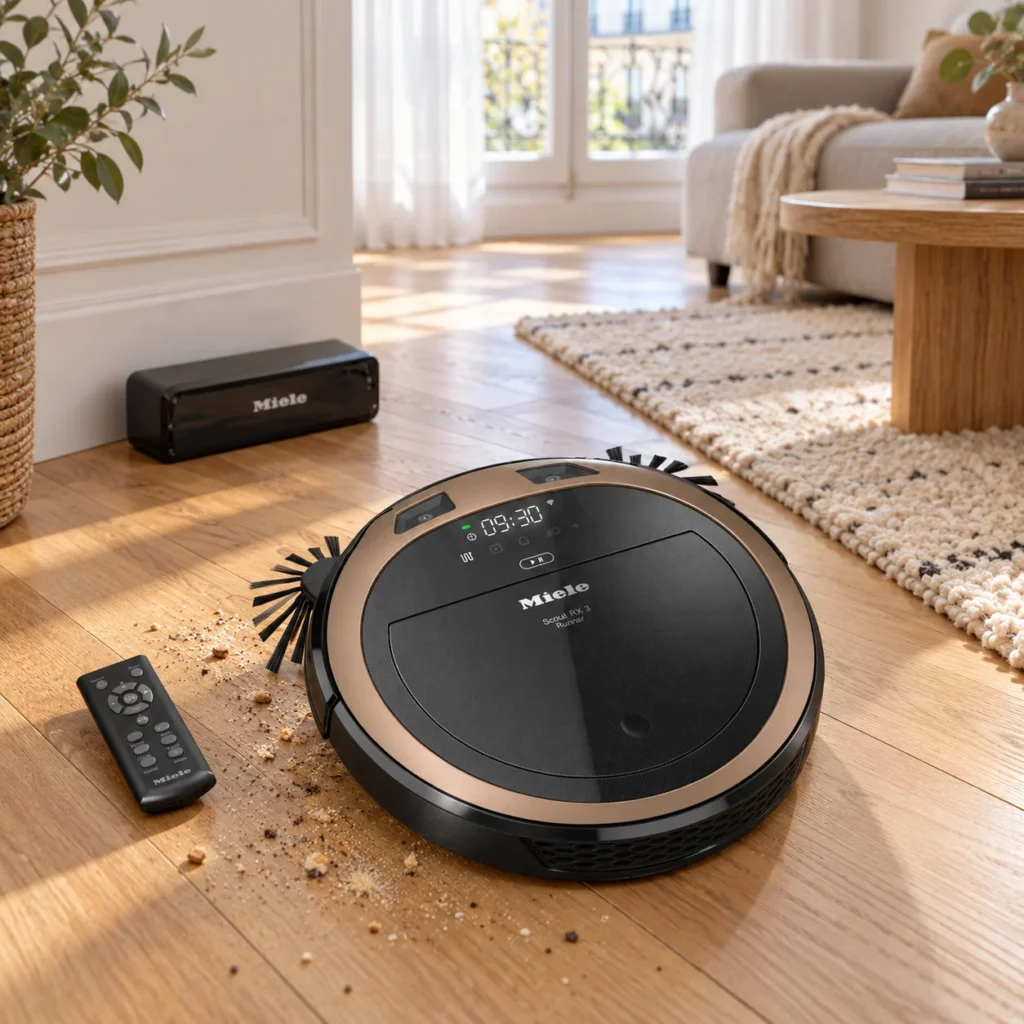
Check your robot’s manual for instructions that apply to your flooring, then ask for clarification on anything uncertain. A recommendation for another robot does not count as confirmation. Mention the attachments fitted and the functions you intend to activate.
With an appliance that has a mopping function
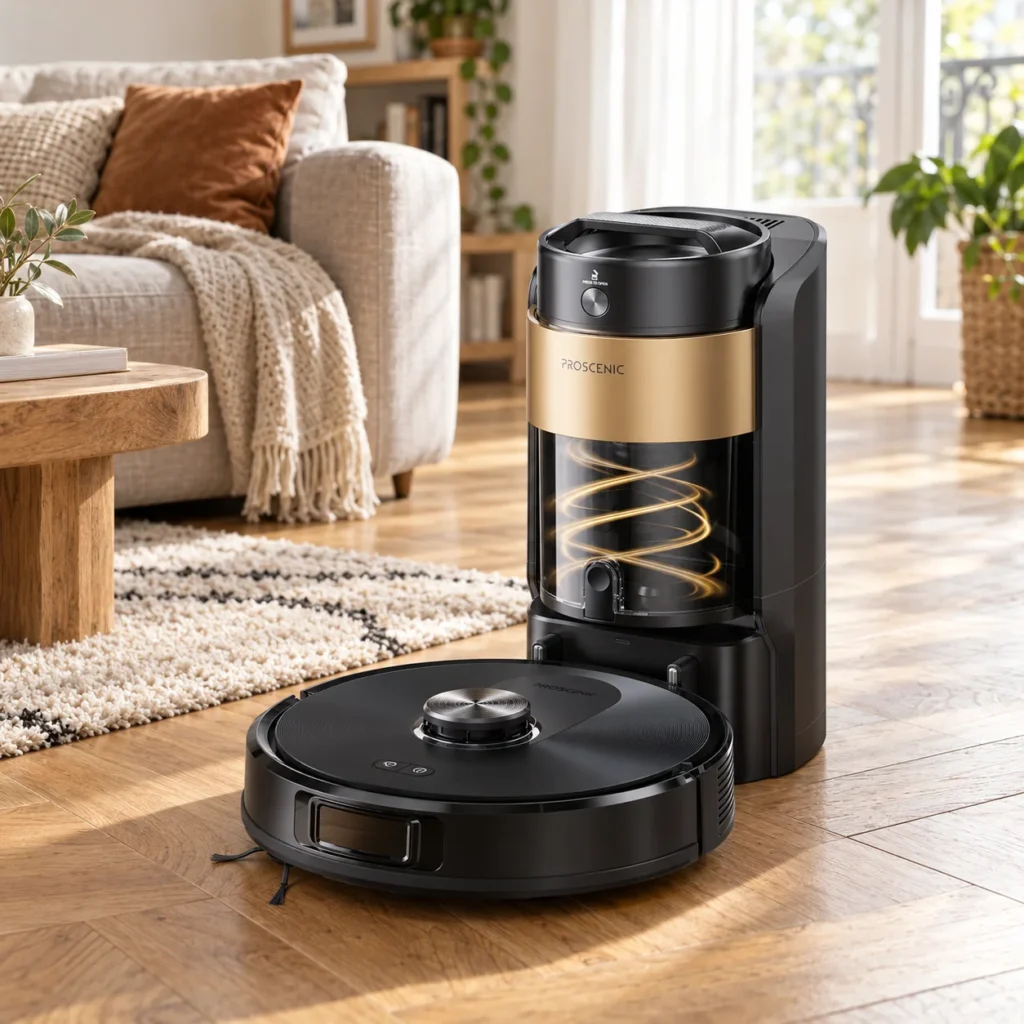
Ask the relevant manufacturers to confirm separately whether this function can be used. Follow their instructions on water, cleaning products, attachments and settings. Do not add a product or change a procedure based on a recommendation intended for different equipment.
Prepare for cleaning according to the applicable instructions
Once use has been confirmed, establish a routine that you can easily follow. The aim is to have the correct attachment and relevant instructions ready before each clean, including when several people use the same appliance.
Consult the manual for checks involving the brush, wheels, rollers, air passages or tank. Do the same for cleaning and replacing these components. Do not devise a maintenance method for them based on general advice for another model.
- Locate the attachment whose use has been confirmed.
- Consult the instructions for preparing the appliance.
- Apply the recommended settings for your situation.
- Follow the corresponding cleaning and maintenance instructions.
If you need guidance on cleaning direction, movement, cleaning frequency or specific areas, ask the parquet manufacturer. There is no need to turn a personal habit into a rule for all flooring.
What should you do if you notice a mark after cleaning?
If the appearance of the parquet changes after cleaning, stop using that method and seek advice. Do not immediately conclude that the suction power, brush or another component is responsible. An observation alone is not enough to establish the cause of a mark.
Prepare a factual description. Specify the appliance model, attachment used, setting selected and functions activated. Describe what you see and, if necessary, send photographs to the professional or manufacturer you consult.
For any attempt to remove the mark, follow the recommendations for your flooring. Do not improvise a treatment based on a general recipe. Keep a record of the correspondence so you can explain the situation without adding further assumptions.
Compare the documentation before considering marketing claims
When choosing a vacuum cleaner for your parquet, start with the quality of the available information. Does the manual match the model being sold? Can the attachments be identified? Does the manufacturer answer your question precisely? These criteria make the selection process more concrete.
User reviews can raise questions about attachments, settings or maintenance. They do not prove that the reviewer’s parquet and equipment match yours. A positive comment is therefore no guarantee of compatibility.
Before choosing an appliance, check that you can answer 3 questions. Which attachment will you use? What confirmation are you relying on? Which instructions will you follow? If an answer is missing, ask for it before completing your comparison.
Frequently asked questions about vacuum cleaners and delicate wood flooring
Can you vacuum old wood flooring?
Age alone does not determine the right cleaning method. Find information about the flooring and its finish, then consult the relevant manufacturers. If the flooring remains difficult to identify, seek advice before choosing an appliance or attachment.
Is a dedicated wood floor brush enough?
The name alone is not enough. Confirm that it is suitable for your vacuum cleaner and flooring. Find the attachment’s exact model reference, then follow the corresponding recommendations rather than a general sales description.
Should you switch off the rotating brush?
Follow the instructions for your appliance and those from the flooring manufacturer. Do not assume a single setting applies to every brush and floor. If the instructions are unclear, ask for clarification on the appropriate setting.
Can a robot vacuum cleaner clean delicate wood flooring?
Check your robot’s documentation and consult the flooring manufacturer to confirm suitability. Ask for confirmation about the attachments and functions you intend to use. Confirmation that vacuuming is suitable does not automatically mean a mopping function is suitable too.
How can you avoid scratches when vacuuming?
Confirm that the flooring, appliance and attachment are suitable for use together, then follow their use and maintenance instructions. No marketing label can guarantee scratch-free cleaning here. If a mark appears, stop using that method and seek advice supported by documentation.
Can you follow advice intended for different wood flooring?
Use it to prepare your questions without applying it automatically. You need to identify your flooring’s exact product reference, its finish and your equipment. A recommendation for a different combination does not replace the instructions for yours.
Was this article helpful?
0% of readers found it useful (0 reviews)